SOLAR BATTERY CHARGERS & CONTROLLERS
Questions about solar? Call our Tech Line: (541) 582-4629
|
|
|
|
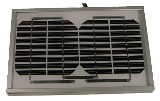
$30 2.5 Watt BSP212 |
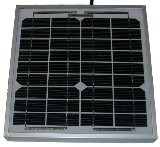
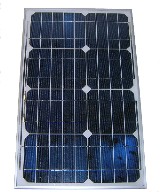
$31 5 Watt BSP512 |
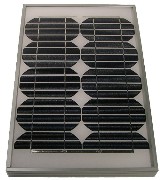
$47 10 Watt BSP1012 |
|
|
|
|
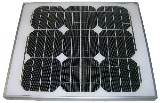
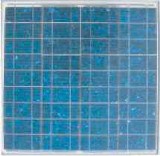
$82 20 Watt BSP2012 |
$140 30 Watt BSP3012 |
$165 40 Watt BSP4012 12 Volt Solar Maintainer |
|
|
|
|
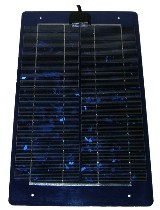
$108 10 Watt BSP1012-LSS 12 Volt Solar Maintainer |
$88 10 Watt BSP1024-LSS 24 Volt Solar Maintainer |
$152 30 Watt BSP3012-LSS |
|
|
|
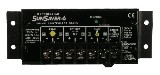
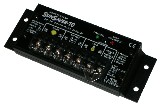
$46 SunSaver SS-6 12 Volt Solar Controller |
$87 SunSaver SS-10L-24 24 Volt Solar Controller |
|
|
|
|
$55 SunSaver SS-10 12 Volt Controller |
$111 SunSaver SS-20L 12 Volt Controller |
|
|
|
|
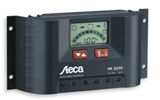
$114 Steca PR-1010 12/24 Volt Controller |
$158 Steca PR-2020 12/24 Volt Controller |
$212 Steca PR-3030 12/24 Volt Controller |
|
|
|
|
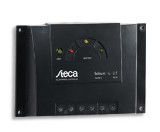
$33 Steca Solsum 6.6F 12/24 Volt Controller |
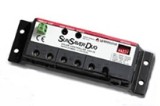
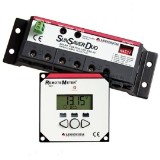
$92 SunSaver Duo 2 Battery System 12 Volt Controller |
$155 SunSaver Duo 2 Battery System Controller w/Meter |
|
|
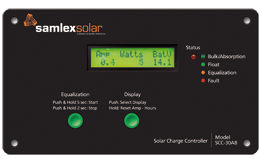
$179 Samlex SCC-30AB 30 Amp 12/24 Volt Controller |
Other voltage and amperage controllers available. Please call!
|

|
|
|
|
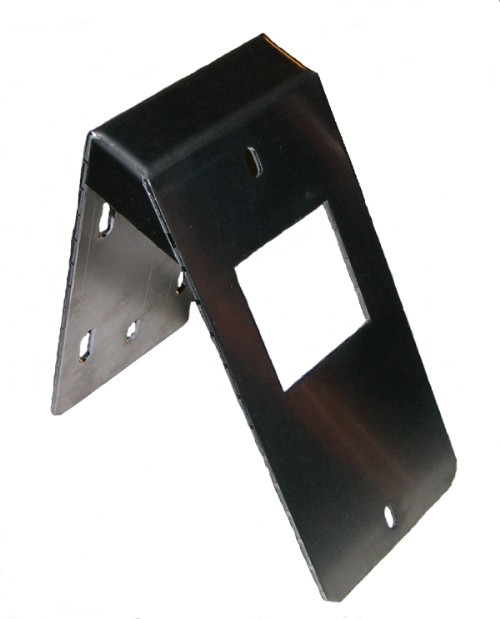
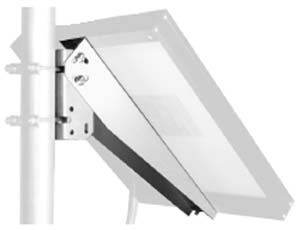
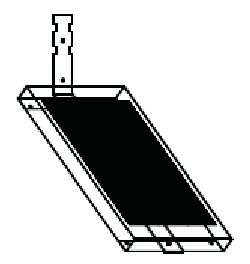
$19 BSP2-12-M 2.5 Watt Panel Mount |
$34 HPM5-10 BSP5-12 Mount |
$44 HPM18-30 BSP10-12,BSP20-12 BSP30-12 Mount |
$15 UNI-10-45 BSP10-12 Mount 45 degree |
Solar/Desulfation Kits
|
|
|
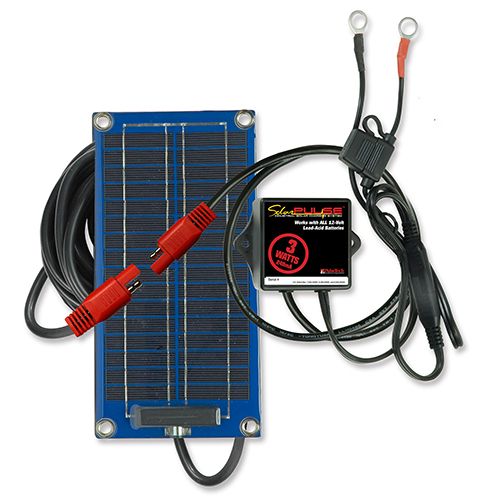
$98 Pulsetech 735X453 SP-3 3 Watt Panel |
$162 Pulsetech 735X305 SP-5 5 Watt Panel |
|
|
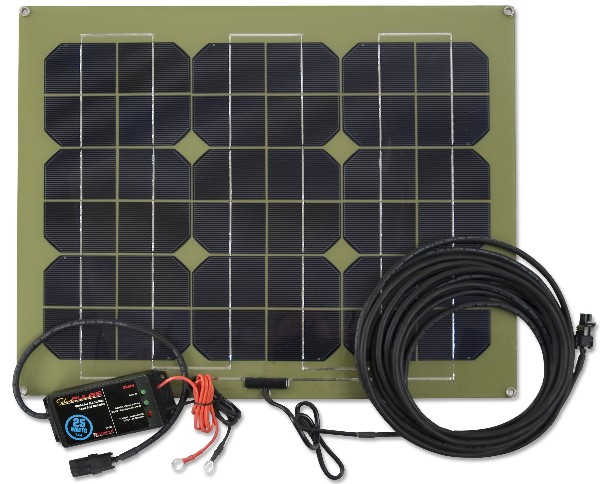
$900 Pulsetech 735X325 SP-25 25 Watt Panel |
Samlex RV/Marine Solar Kits
|
|
|
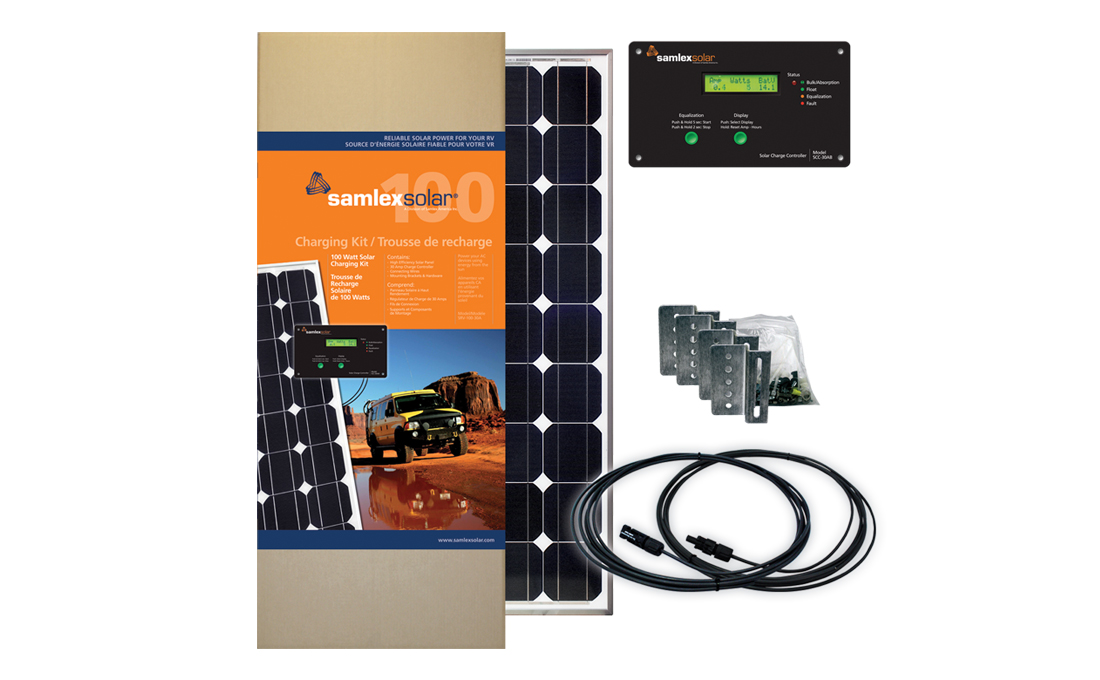
$515 Samlex SRV-100-30A 100 Watt Solar Kit |
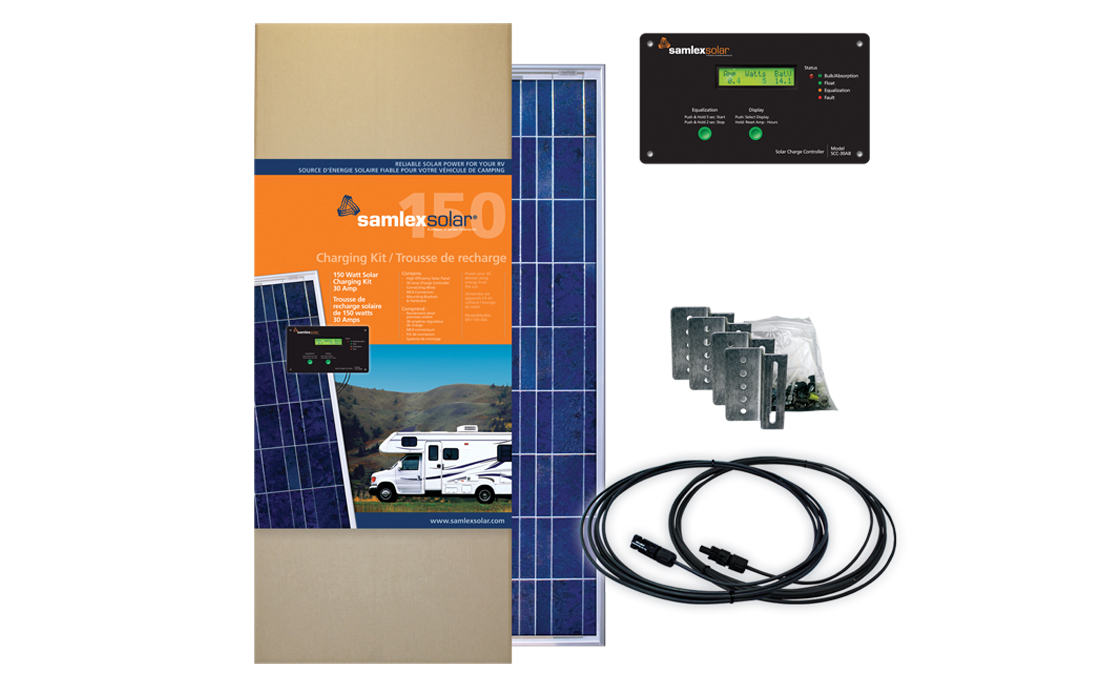
$675 Samlex SRV-150-30A 150 Watt Solar Kit |
Samlex Portable Solar Charging Kits
|
|
|
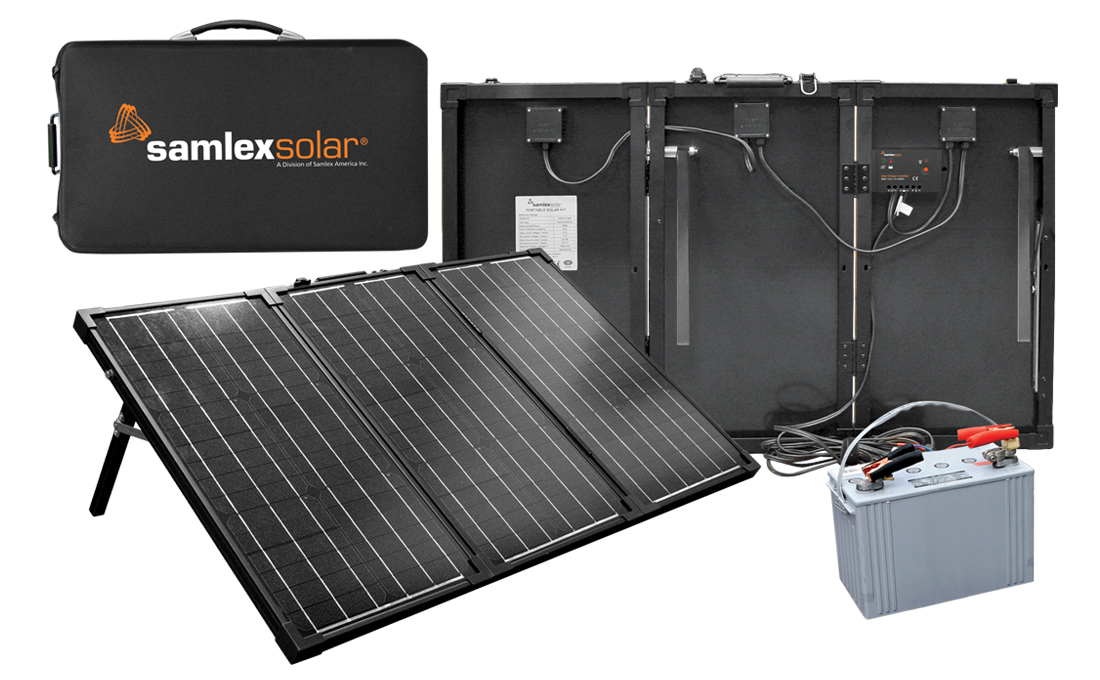
$391 Samlex MSK-90 90 Watt Solar Kit |
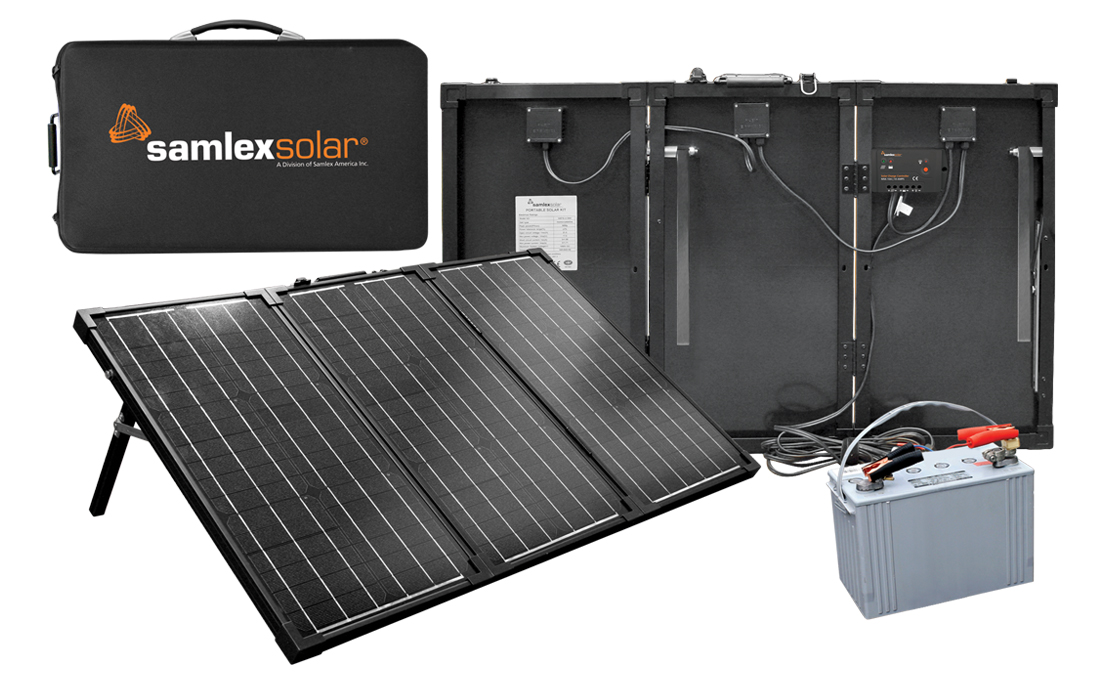
$533 Samlex MSK-135 135 Watt Solar Kit |
Solar panels and Controllers for small to medium applications.
ChargingChargers.com specializes in small and medium solar battery chargers for applications in 12 volt and 24 volt solar panel systems. We can advise and supply solar solutions for battery maintenance of single or multiple battery packs, or systems with small or intermittent current drains. A solar solution can be appropriate for security systems(video, alarm), remote telemetry, radio repeaters, gate openers, solar fence charger, generator/pump starting batteries, heavy equipment batteries, GPS locators on semi trailers, or as a solar trickle charger and many other situations. We have recently added Samlex 50, 85 and 120 watt solar kits, which include a quality panel, a 30 amp SCC-30AB Samlex state-of-the-art controller, cables, and mounting kit for flat marine/RV or other applications. There are expansion kits for each as well.
Solar Trickle Charger
Single 12 volt batteries around 80 to 130 amp hours can be maintained with a single 2.5 watt solar battery charger without a controller. The solar panel generates enough current to maintain the battery, but not enough to overcharge it, functioning as a solar trickle charger. The small solar battery charger (1 watt, 2.5 watt, and 5 watt) has a blocking diode built in that prevents feedback through the solar panel at night, which will occur if not blocked. Solar battery chargers over 5 watts (and sometimes the 5 watt) require a solar controller to regulate their output, and prevent overcharging. The solar controller also prevents feedback through the panel at night, like the diode mentioned above. We have a 10 watt 24 volt unbreakable solar battery charger available which we frequently use for maintenance of 24 volt starting batteries on such equipment as generators, large pumps, heavy construction equipment, trucks, aircraft, etc.
UniSolar Panels - Currently Unavailable
We also offer a few selections from UniSolar™ when they are available. The smaller UniSolar panels (64 watts and under) were unavailable or sporadically available for some time, due to the switching of the assembly lines to larger panels for world demand. We currently do not have these available. These are some of our favorite panels. They are of a proprietary triple layer material, which gathers more usable power from various parts of the light spectrum, and the panels are constructed without a glass front, as the material is bonded to a thin stainless steel sheet, and framed with a durable aluminum frame. This makes the UniSolar panels basically indestructible, and the bypass diodes in the 11 watt and larger panels allows them to function well in part shade conditions. These are long term reliable panels, and we use them in remote locations, portable systems that will be moved or set up and taken down repeatedly, high vandalism areas, and applications where survival is a criteria.
Solar Controllers
We offer quality solar controllers, the Morningstar Sunsaver series, and the Steca PR series made in Germany. We can get any models made by these companies, as well as others, so call if you don't see what you want.
Solar Panel Orientation
A solar battery charger should be oriented to true south whenever possible, tilted at an angle approximating the latitude of the location, adding 15 degrees for winter bias, or subtracting 15 degrees for summer bias. Mobile applications such as semi trailers or emergency response trailers, may require a flat mount of the solar panel, since parking orientation may vary. A solar panel is rated at peak output, which may only occur for 4 to 6 hours per day (or less) depending on the season, and location. These worst case hours are generally used for sizing a solar battery charger or solar system , if the system will be operational during winter months.
The batteries for a solar system should be deep cycle, and are sized in amp hour capacity to accomodate the daily amp draw from the system, with a margin, and usually several days capacity as well, to allow for overcast or other unfavorable solar power conditions. Appropriate lead acid battery types for these systems include the flooded, or wet batteries, absorbed glass mat (AGM), and sometimes the true Gel battery (Gel Cell).
Experienced In Solar Applications
ChargingChargers.com is an experienced solar charger supplier. Our technical advisor has worked with the U.S. EPA on remote montoring stations, our U.S. military (for small mobile applications in Iraq, infrequently used vehicle battery maintenance, thermally activated training aids, and more), many colleges and universities for scientific monitoring and student projects, and the solar powered video documentation of the rebuilding at Ground Zero in New York, Project Rebirth.
For more information, see our solar tutorial. We have access to many more solar components, so give us a try!
Frequently asked questions about solar